

The NSW state government has announced a new tranche of gaming reforms that will require all pubs and clubs to introduce mandatory facial recognition technology at the entry of gaming rooms and ban VIP programs related to gaming.
It will also establish a statewide exclusion register, increase the forfeiture rate of machines taken out of circulation and ban unsolicited direct marketing to potential customers.
The measures are, according to the government, aimed at enhancing harm minimization safeguards, with the NSW Gambling Survey 2024 finding that 3.1% of the state’s adult population experience moderate risk gambling and 0.9% high risk gambling.
In a lengthy announcement, the government pointed a single statewide register covering every hotel and club with gaming machines as a core feature of the reforms.
“Currently in NSW, people can enter into a voluntary self-exclusion agreement to ban themselves from the gaming areas of certain hotels and clubs or from the entire venue,” it said. “However, the enforcement of this is largely left up to individual venues and staff to monitor compliance.
“In a significant change, the new NSW Statewide Exclusion Register will replace this fragmented system with a single statewide framework backed by mandatory facial recognition technology at the entry of gaming rooms – meaning when someone makes the difficult decision to exclude themselves, that exclusion can follow them from venue to venue.”
Mandatory Facial Recognition will, the government added, be introduced at the same time as the NSW State Exclusion Register in 2028.
Likewise, it will upgrade the Centralised Monitoring System (CMS) over the next two years to allow for a transition to account-based play which has been hampered by the use of legacy technology.
“Rapid advancements in technology since the Cashless Gaming Trial have demonstrated there are many account-based play solutions that can be implemented to meet the anti-money laundering and harm minimisation benefits of cashless, while allowing players to continue using cash if they prefer,” the government explained.
Harmful advertising and marketing is also in the government’s sights, with VIP programs linked to gaming to be banned and gambling advertising on NSW Government and council-owned assets prohibited. Betting service providers will not be permitted to market directly to people via calls, email or text messages without receiving their express consent in advance.
New transparency requirements will apply to gambling promotions by affiliates and social media influencers, alongside restrictions on commissions linked to higher-risk gambling products.
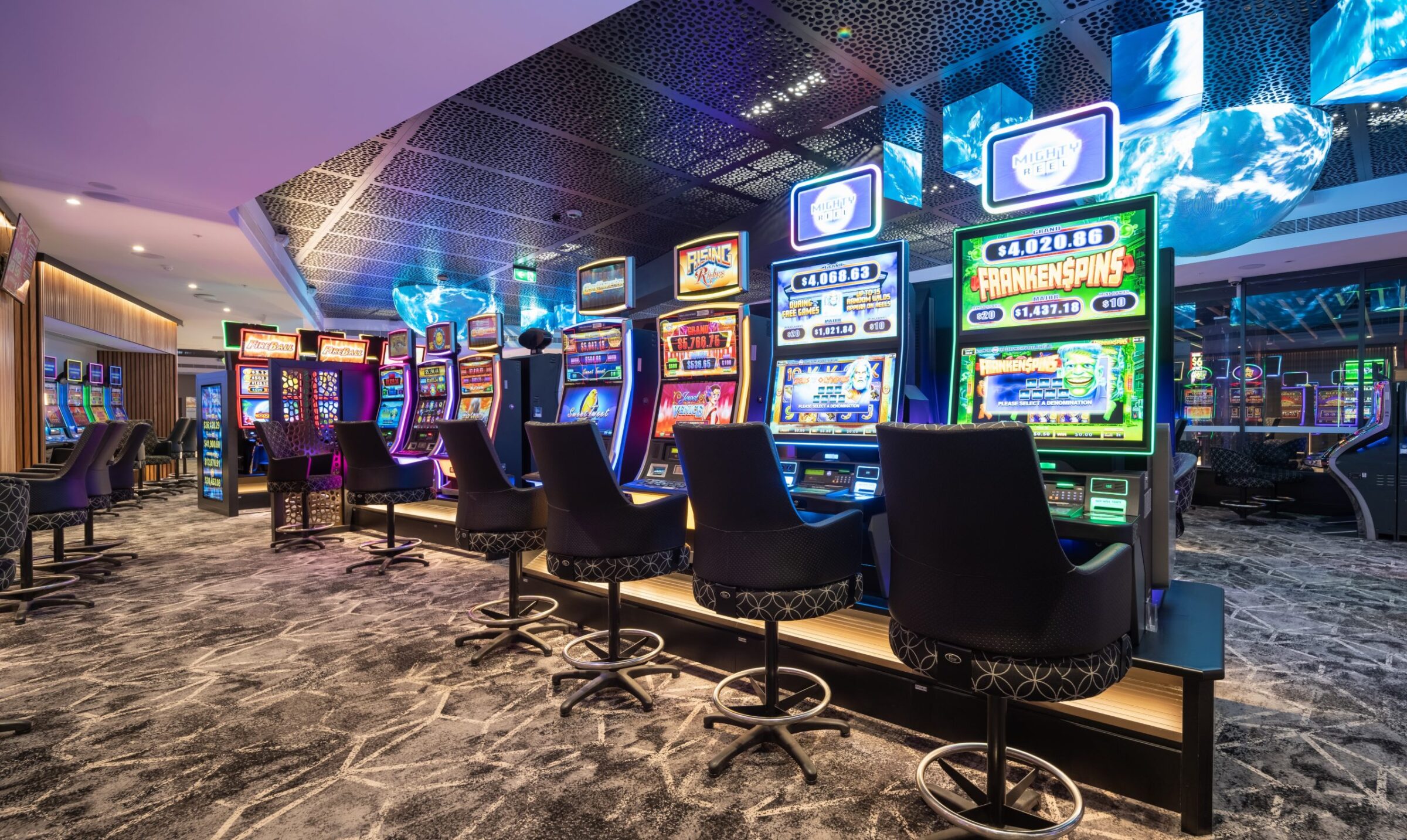
Supporting these reforms will be a further reduction to the 87,000 gaming machines currently in operations across 2,100 clubs and hotels. This will be achieved by increasing the forfeiture rate when gaming machine entitlements are traded from one in three to one in two – meaning for every two entitlements traded, one will be permanently removed. A new “sinking cap” will further accelerate the reduction in machines so the statewide cap falls as entitlements are removed from circulation.
A total of AU$95.2 million will be invested over four years to fund the tranche of reforms, sourced from money remaining in the state’s AU$100 million gambling harm minimization fund and an increase in licence fees for clubs and hotels with gaming machines.
“The Minns Labor government is introducing wide-ranging reforms to help combat gambling harm across the state,” said Minister for Gaming and Racing, David Harris.
“These are common sense reforms that have been developed alongside industry, harm minimisation groups, stakeholders and privacy experts to address gambling harm while supporting the industry and protecting the livelihoods of the many people it employs.
“By combining new technology, stronger exclusion tools, strengthened regulation and increased funding for harm reduction, we are building a safer system for the future.
“Our government will continually explore and implement emerging technology to ensure NSW has the most up-to-date safety measures available built into our gambling industry.”
RelatedPosts