
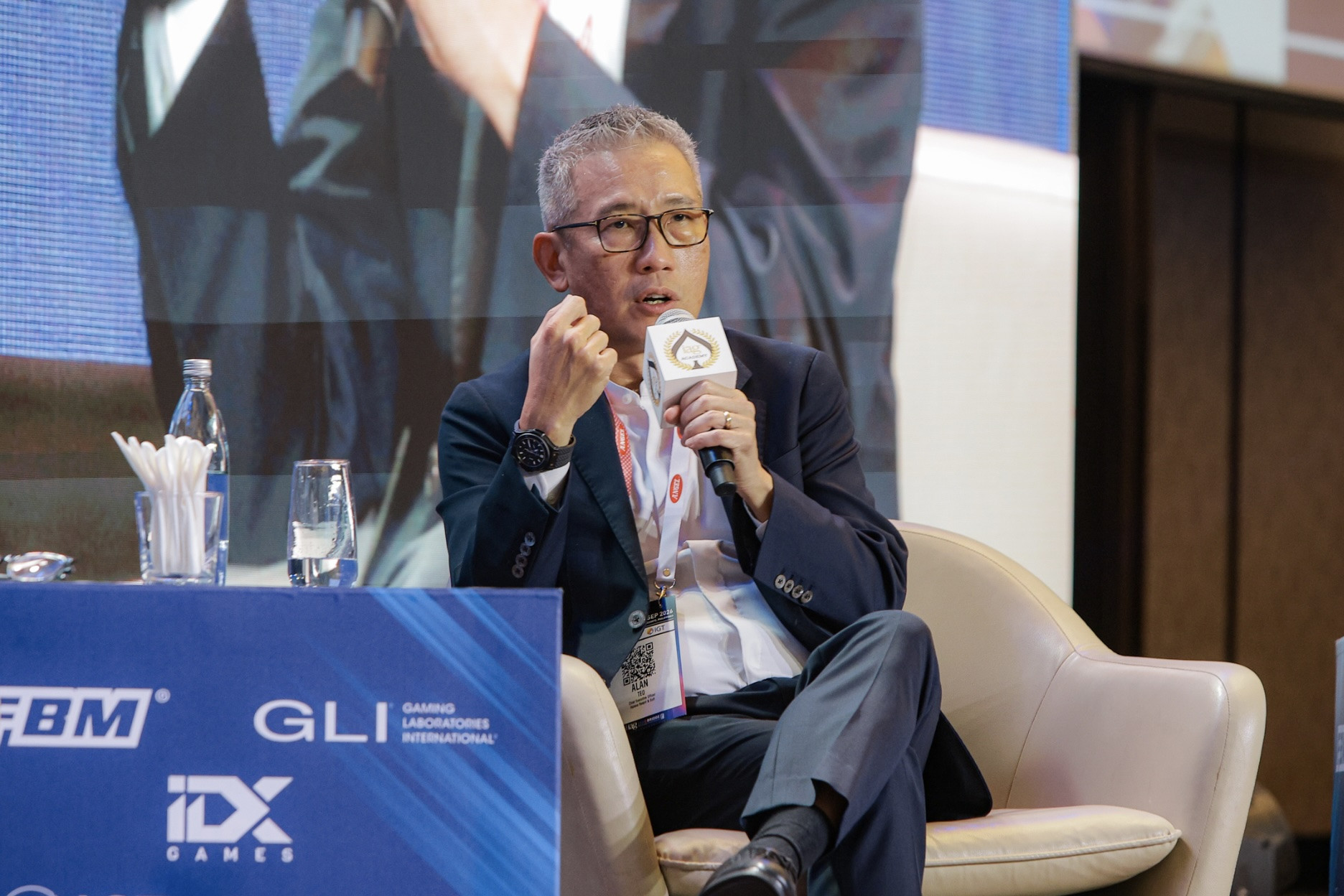

The CEO of Vietnam’s Hoiana Resort & Golf said the property is actively pursuing the addition of locals gaming to its offering, but admits the process is lengthy and it could be some time before such a move is seriously considered by the government.
Speaking at the IAG Academy Summit in Manila last week, Alan Teo reiterated the attractiveness of Hoiana having access to the locals market in the same vein as Phu Quoc’s Corona Resort & Casino and The Grand Ho Tram near Ho Chi Minh City.
Parent company Hoi An South Development Ltd is, he confirmed, actively seeking approval although the experience of Ho Tram – which was in late 2025 finally allowed to welcome locals under a five-tear pilot program more than 12 years after opening – suggests it won’t be a quick burn.
“It’s a very lengthy process to apply for this local gaming. And I believe it will take time for the government to deliberate and to discuss whether local gaming will be given to us or not. It takes time,” Teo observed.
In the meantime, Teo said Hoiana must focus on a “destination-first strategy,” adding, “we need to have a reason, a purpose, for visitors to come to our property.”
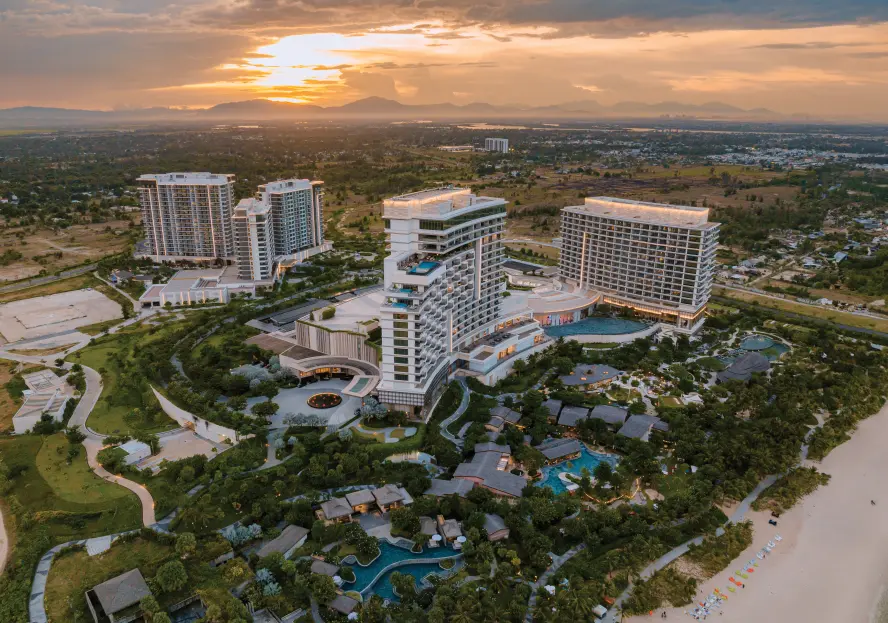
On that, the former COO of Philippines integrated resort NUSTAR pointed to Hoiana’s 985 hectares of land, with the existing Phase 1 accounting for just 15% of the entire property. There are plans to build out another 700 to 800 hotel rooms, “a bigger ballroom” and MICE facilities, “because that’s one market that is growing,” noted the executive.
Beach villas, a second 18-hole golf course, more hotels, MICE, retail: they’re all planned to take advantage of the 21 million-plus international tourists to Vietnam every year, leveraging the UNESCO World Heritage Centre of Hoi An Ancient Town, located just 15 minutes away.
While locals play may still be some way off, Teo said the current foreigner-only model was progressing well, with junket play and direct VIP still important contributors to Hoiana’s business mix. Recall that the property originally counted leading Asian junket operator Suncity Group as a key investor and had planned to leverage Suncity’s massive database before the company suddenly shut down following the arrest of its CEO Alvin Chau in 2021, resulting in the collapse of the Macau-focused junket business.
On current play, Teo said, “it’s roughly one-third junket, one-third direct (VIP) and one-third slot.”
The executive further stated that ITOs (international travel operators) – the official term for junkets, “are a very strong underpinning portion of our GGR.” But the group is also benefitting from strong direct VIP, “which is up nearly 50% year-on-year” and “is really balancing those two things out.”
On how ITOs work with Hoiana, Teo explained, “We have a contract based on their volume, we pay them a revenue share, they have their room and they provide the normal market services and everything else to the business.”
This includes rolling chips and credit, with action concentrated around “four very strong ITOs” this year.
“They focus on various regions, including the Korean and Thai markets,” Teo explained.
Unlike the baccarat-heavy Macau market, Vietnam shows a diversity of play, with “a very strong blackjack market courtesy of our Korean guests,” while roulette is “not great.” However, “slots are growing massively and we’ve introduced a lot of new products in the last 12 months, all of which are working very, very well,” he highlights.
While the growth is good, it’s still “nowhere close to tables.”
But factors are working in favor of the Vietnam operator, even as they try and try again for a locals gaming license, Teo said.
Vietnam currently houses three integrated resorts in Hoiana, Ho Tram and Corona. Corona was in December granted a perpetuity license for locals gaming, having partaken in a pilot program since 2019, while Ho Tram is currently operating under its own five-year pilot.
RelatedPosts