
The mayor who won election in Yokohama in 2021 on an anti-IR campaign and ultimately killed off the city’s pursuit of a casino license has officially resigned from his post after an investigation uncovered evidence of bullying and abuse of power.
Takeharu Yamanaka stepped down this week, having seen a resignation motion unanimously approved at a plenary session of the city council, according to a report by local media outlet Mainichi Shimbun.
Having only won re-election in August 2025, Yamanaka was investigated earlier this year following a complaint made against him for abuse of power. The investigation found that the 54-year-old had engaged in verbal abuse and bullying, having shouted and thrown documents at city employees and made derogatory remarks.
Amid pressure from several major political parties, he expressed his intention to resign in late August before his departure from the role was confirmed this week.
Yokohama is now expected to hold an election to choose a new mayor before the end of October.

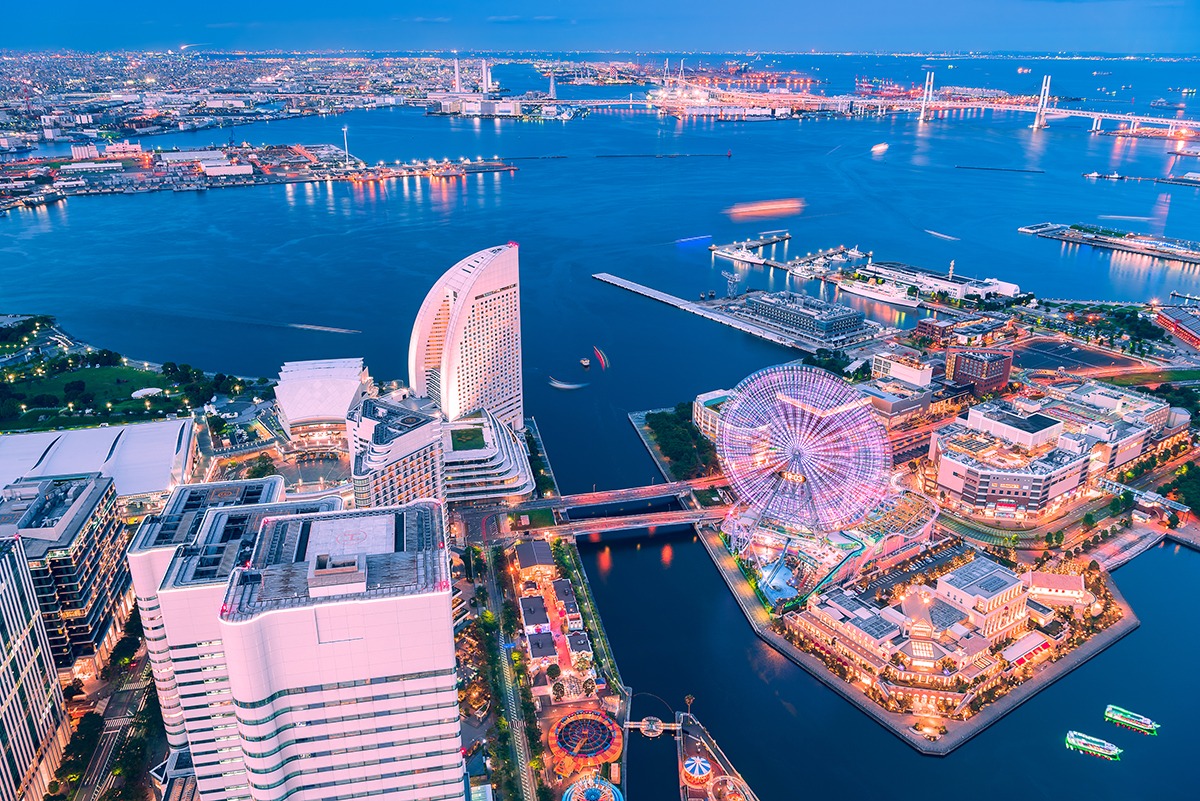
Yamanaka, former Yokohama City University Professor, first won election in 2021 over pre-election favorite Hachiro Okonogi and incumbent mayor Fumiko Hayashi on a vocal anti-IR platform, having described casinos as a “poison apple.”
He subsequently confirmed in his policy speech in September 2021 that he would withdraw the city’s IR bid and abolish its IR Promotion Office.
Yokohama had at one stage been seen as the most exciting of all candidate cities in the running for one of three IR licenses that were on offer nationwide, and although some international operators such as Las Vegas Sands Corp ultimately opted not to continue in Japan, both Genting Singapore and Melco Resorts & Entertainment were aggressively pursuing Yokohama before Yamakana became mayor.
Amid Melco’s many initiatives under its “Yokohama First” policy, the company organized a “Smart Summer” event for Motomachi district supporting local tourism, co-sponsored the Motomachi Craftsmanship Street Food Fair and launched a joint project with professional football club Yokohama F. Marinos to reinvigorate five local shopping arcades in Yokohama, Yokosuka and Yamato cities affected by the Covid-19 pandemic. Melco also sponsored football club Yokohama F Marinos and formed a partnership with Naomi Osaka, the first Japanese tennis player ever to win a Grand Slam title.
After closing its Yokohama office, Melco released an impressive fly-through visualization video of its IR concept, which could have been seen as a subtle reminder of what the city was missing out on.
Only one candidate city, Osaka, was ultimately awarded an IR license, with the US$10 billion MGM Osaka project scheduled to open in 2030.
The departure of Yamanaka after some five years does come at an interesting time, however, with Japan set to launch a second round of bidding for up to two more IRs.
The application period is slated to run from 6 May to 5 November 2027 although only a handful of potential candidates – namely Hokkaido and Aichi – have officially confirmed their interest.
In departing office this week, Yamanaka said, “I did not fully consider the weight of my words and actions as mayor and how they might be perceived by others. Based on the results of the investigation, I felt I had to take responsibility for the stress my behavior caused city employees.”
RelatedPosts