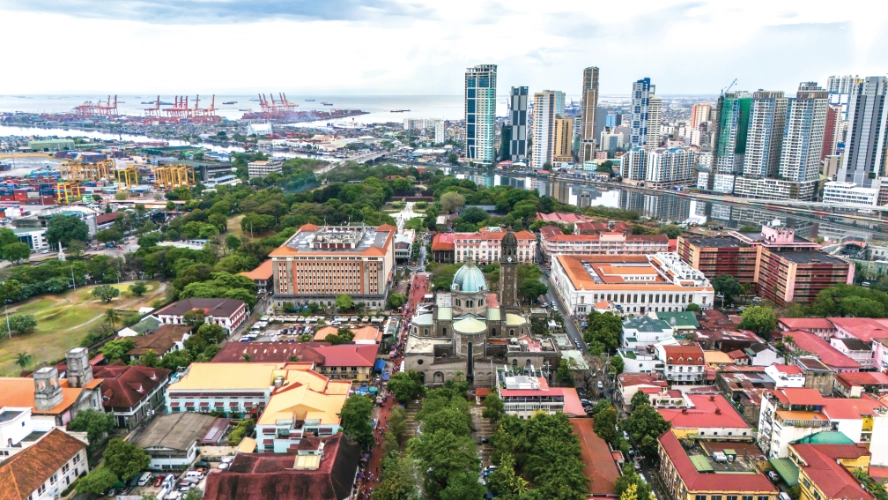

The Philippines recorded its slowest quarterly growth since the pandemic in the second quarter of this year as GDP increased by just 2.3% year-on-year, with the government insisting the slow growth is “only temporary.”
The figure follows 5.5% growth in 2Q25. Malacañang Palace Press Officer Claire Castro indicated that the shortfall did not meet government expectations.
The official attributed the slowdown to the effects of the Middle East conflict on fuel costs, inflation, employment and remittances, with a temporary delay in public construction also cited amongst a government-led anti-corruption campaign aimed at controlling costs following the scandal over flood control budget use.
According to the nation’s official news agency, Castro said, “This slowdown is only temporary,” affirming that “As the government continues to speed up spending and release budgets more quickly, we hope the economy can start to pick up in the second half of the year as well.”
While this relates to public expenditure, the conflict and other factors have also affected disposable income and punters’ willingness to spend on entertainment.
Gaming regulator PAGCOR last week reported a significant 26.6% drop in revenue for1H26, reaching just Php43.3 billion (US$705 million), marked by significant downturns in the online segment.
Online gaming revenue (from eGames, eBingo and bingo grantees) fell 41.9% year-on-year, hitting Php18.6 billion (US$303 million), grossly outpacing the 3.9% yearly drop in PAGCOR revenues from licensed casinos and even that from PAGCOR-operated casinos, which was down by 8.7%.
The presidential palace is still confident in the prospects for the rest of the year, with government fast-tracking key infrastructure projects and focusing on price stability, while also expanding exports and looking to benefit from the AI and digital economy boom.
“Although consumer confidence is still low, businesses are starting to improve,” stated the official.
RelatedPosts