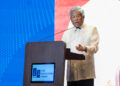

Philippine gaming regulator PAGCOR revealed Wednesday that it is considering a further tightening of restrictions on the country’s domestic online gaming sector, including a total ban on TV and radio advertising, as a Senate Committee on Games and Amusement hearing resumed.
Having already outlined a raft of controls over the past six months, including tighter Know Your Customer rules and a ban on out-of-home advertising such as billboards, PAGCOR Chairman and CEO Alejandro Tengco revealed during questioning that his agency was still exploring what other measures it may take to curb gambling harm.
“During prime time (5:30pm to 8:30pm), advertisements are already prohibited,” Tengco said. “Radio and TV stations are asking if they can still show the ads during dead slots, mainly for advertising revenue.
“But for us, if it’s possible to completely ban them, that’s what we want to enforce.”
The senate hearing has resumed this week for the first time in almost six months, with an initial batch of hearings that began in August put on hold when the Philippines’ flood control controversy took precedence.
The inquiry into the online gambling sector followed criticism from noted anti-gambling campaigners such as Senator Sherwin Gatchalian and Senator Erwin Tulfo, who were involved in the banning of the offshore POGOs and had raised questions over the explosive growth of licensed domestic operations.
Tengco was quick to dispute a figure during Wednesday’s hearing after Gatchalian repeated an earlier claim that more than 32 million Filipinos used online gaming services. Tengco said the real number is around 10 million.
“Just a clarification on the numbers earlier, the 32 million are only registered [accounts], but the active players are around 10 million,” Tengco said, noting that players often held multiple accounts.
Jessa Mariz Fernandez, PAGCOR’s Assistant Vice President of the iGaming Licensing and Regulation Group, reiterated that the regulator has tightened KYC rules to close previously existing loopholes.
“We are now tightening the rules so that even before they can deposit, they must already submit their initial KYC requirements,” Fernandez said.
PAGCOR is, however, hoping to convince the Philippines’ central bank to reverse an order it imposed last year that required e-wallet providers to remove direct links to licensed eGames operators.
Tengco told Inside Asian Gaming during a recent interview at ICE Barcelona that his team was preparing a position paper outlining the regulatory improvements it has already implemented and explaining its stance that directing players to licensed sites was the best way to prevent them utilizing illegal sites.
In a social media post following Wednesday‘s senate hearing, leading eGames technology firm DigiPlus stated, “We stand united with PAGCOR and other government agencies in implementing tighter regulations to protect the gaming public – not only from the potential risks of gaming, but also from illegal gambling operators.
“Around 50% to 55% of the gaming industry is composed of illegal operators, and this is where many problems arise. We proactively support efforts to combat illegal gambling as part of our commitment to protecting the industry and all players.”
RelatedPosts