
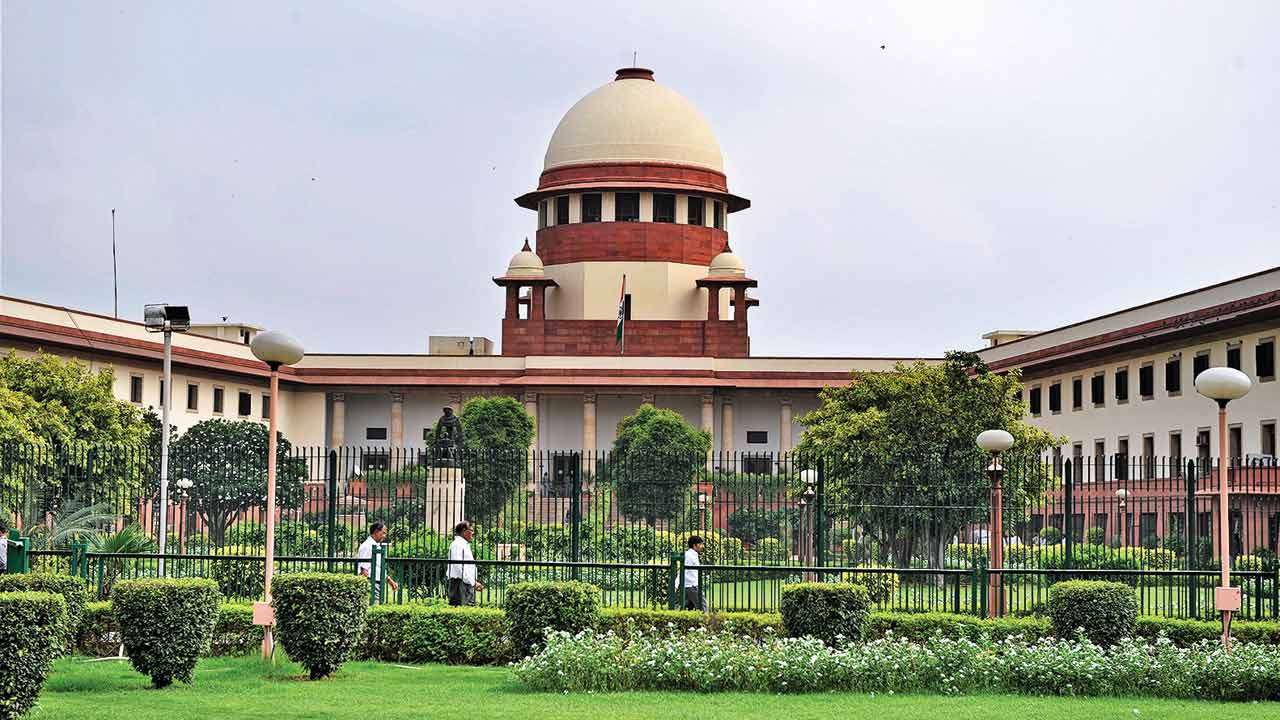

India’s online gaming industry remains in limbo after the Supreme Court on Thursday deferred any decision on the matter until late January, arguing that various challenges to the controversial Promotion and Regulation of Online Gaming Act require the input of a three-judge Bench.
Local media reported overnight the deferral by the Supreme Court until 21 January 2026 – the delay coming despite representatives of online gaming operators urging expediency because the entire industry is in a state of suspension even though the law is yet to be notified.
As reported by Inside Asian Gaming, the Promotion and Regulation of Online Gaming Act was passed suddenly by parliament in August and quickly signed into law. It prohibits not only online casino gaming but also skill games such as fantasy sports, esports and poker. Under the bill, anyone offering real-money online games faces a jail term of up to three years plus a fine.
Industry representatives are raising a multitude of arguments against the legality of the Act, including whether states can regulate or prohibit online gaming under the Constitution, whether parliament can impose a nationwide ban through the Act and also whether the Indian parliament is competent enough to effectively impose the new law.
They have also argued that a lack of competence at either level – state or federal – would necessarily impact the other. The Supreme Court stated Thursday that this intertwining of arguments is exactly why a three judge Bench is required.
The latest legal challenge involves an online gaming company called Head Digital Works, which argued this week that any delay by the court amounts to “de facto enforcement” because the industry cannot offer services in the meantime. It also noted that operators who had chosen to wait on a judgement rather than pre-emptively exiting the market were bearing significant costs in the meantime.
Media platform Storyboard18 noted that the court will early next year ultimately decide the fate of the entire industry by clarifying whether the Union, the states or both have the power to regulate to ban real-money online gaming.
RelatedPosts