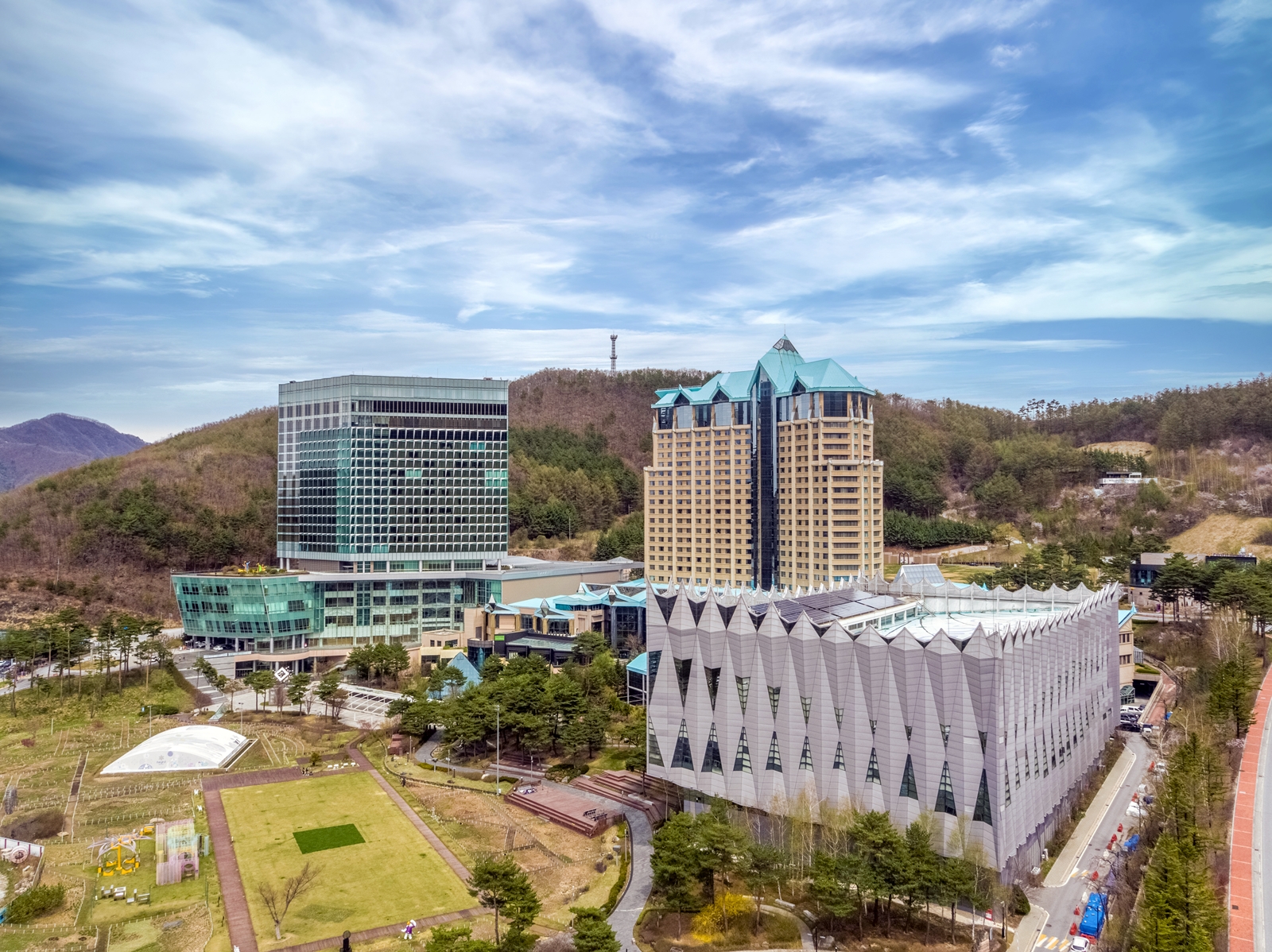

The Joint Committee for the Revitalization of Gohan, Sabuk, Nam-myeon and Sindong – a community organization representing residents of the four areas in South Korea’s Gangwon Province – have called for the removal of revenue and visitation restrictions at Kangwon Land to provide greater opportunity to ward off the threat posed by the 2030 launch of MGM Osaka in Japan.
In a statement issued this week, and reported by local media outlet Yonhap News Agency, the Joint Committee has called on the government to “immediately abolish or significantly increase the total revenue cap” at Kangwon Land, arguing that “imposing such shackles solely on a domestic company in an era of boundless global competition is tantamount to self-sabotage.”
As per National Gambling Control Commission (NGCC) rules, Korean casinos operate under a Total Gambling Revenue Cap System which sets an annual revenue ceiling for the regulated casino industry. As such, Kangwon Land receives an annual allocation limiting the revenue it is permitted to generate.
Koreans are also limited to 15 casino visits a month to Kangwon Land – which remains the only Korean casino at which locals are allowed to gamble – while those who visit more than 60 days in a year must undergo mandatory responsible gaming education. Strict betting limits apply.
According to the Joint Committee, “Restrictions on the number of permitted visits and various operational constraints are outdated standards.”
It called on the government to “face the reality that people are turning toward uncontrollable online gambling and offshore, unregulated gambling operations,” adding that, “The most effective way to prevent massive losses to the national treasury – caused by capital flowing into the illegal gambling market – and to protect the assets of our citizens is to enhance the competitiveness of legal casinos, thereby capturing domestic demand.”
The Joint Committee also noted that “the overlapping layers of regulations – enforced by various government bodies, including the Ministry of Economy and Finance; the Ministry of Culture, Sports and Tourism; the Ministry of Trade, Industry and Energy; and the National Gambling Control Commission – consistently hinder efforts to evolve into an integrated resort and obstruct investments in new business ventures.
“The government must immediately put an end to interdepartmental parochialism and unnecessary interference. It should instead provide full-scale support and regulatory exemptions, enabling Kangwon Land to make bold, proactive investments and evolve into a global hub with an annual revenue of KRW5 trillion (US$3.7 billion).”
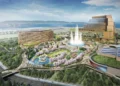
Among the key concerns for Korea’s casino industry, comprising Kangwon Land plus 17 foreigner-only casinos nationwide, is the scheduled 2030 opening of MGM Osaka.
Japan’s first integrated resort is seen as a game-changer for Northeast Asia because it will be open to Japanese citizens – one of Korea’s key source markets – and is also likely to become a popular destination for Korean players.
On the threat this poses, the Joint Promotion Committee said, “By 2030, when the casino in Osaka opens, the leadership in Asian tourism and the casino industry will shift entirely, leaving Kangwon Land to suffer an irreparable blow.
“If the government continues to hide behind a barrier of outdated regulations and ignores the need for change, it will not only lead to the downfall of Kangwon Land but also constitute a catastrophic error -effectively extinguishing the growth engine for a region once dependent on the coal industry.”
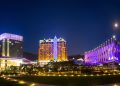
Kangwon Land was established following a 1995 campaign by residents of the former coal-mining communities in Gohan, Sabuk, Nam-myeon and Sindong, who sought government intervention to revive an economy devastated by the decline of the coal industry.
Their campaign led to passage of the Special Act on Assistance to the Development of Abandoned Mine Areas in 1995, paving the way for Kangwon Land to open in 2000 as South Korea’s only casino legally permitted to admit domestic customers.
RelatedPosts