
Wynn Resorts CEO Craig Billings and his MGM Resorts counterpart Bill Hornbuckle have poured cold water on historical links connecting visitor numbers or luxury retail spending with Macau’s gross gaming revenue figures, arguing that today’s predominant premium mass guest exists largely independently of such external factors.
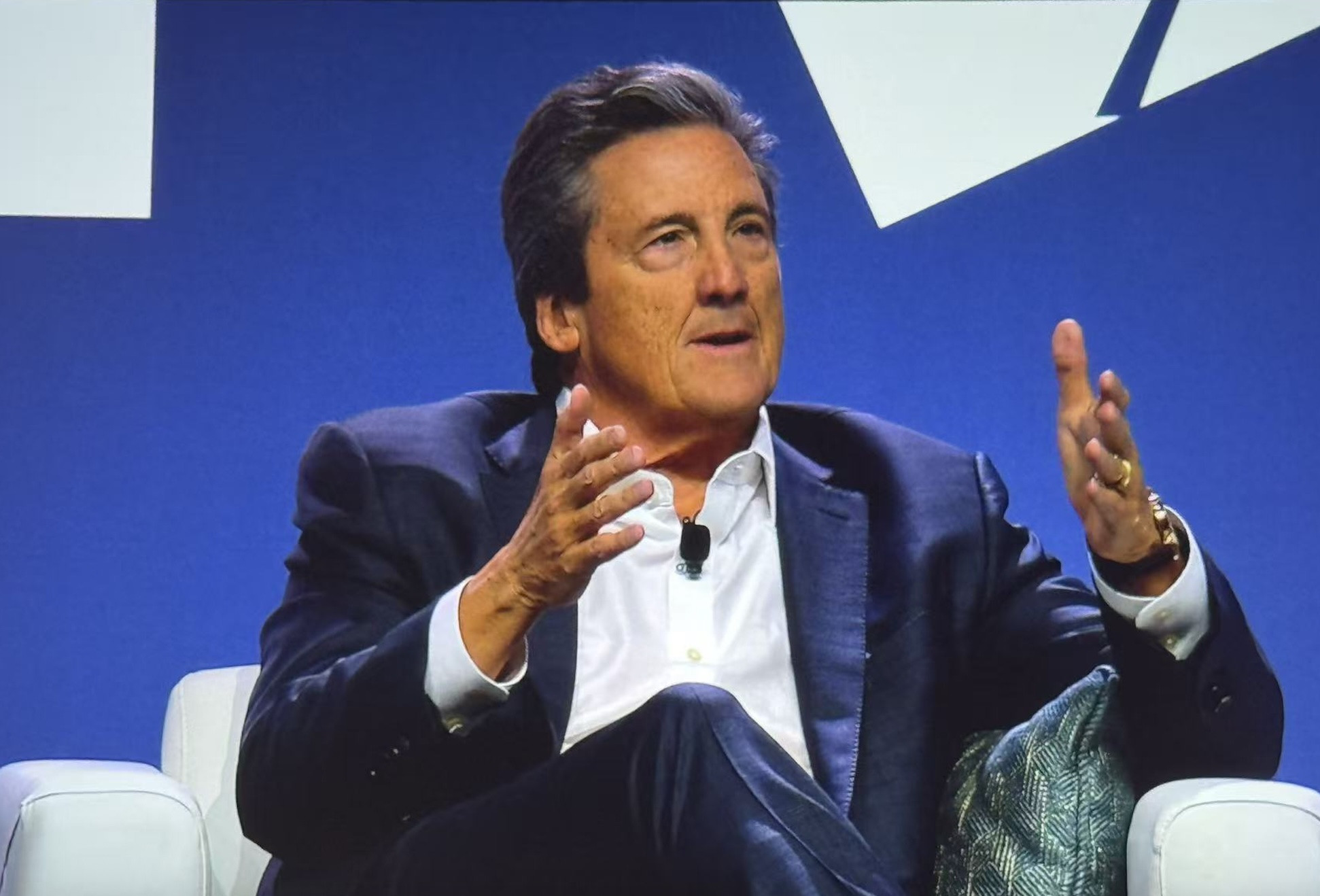
The duo, alongside Caesars Entertainment CEO Tom Reeg, appeared on a special “CEO Outlook” panel at G2E in Las Vegas on Tuesday morning where they provided their perspectives on latest developments within the markets in which they operate.
Discussion on Macau largely centered around the recently released August visitation figures, which saw an all-time high of almost 4.5 million enter the Asian casino hub – a remarkable figure given recent softness in the Macau gaming market.
While both Billings and Hornbuckle expressed extreme confidence in Macau’s long-term prospects, they also made it clear that visitor numbers alone were of little interest because relatively few of those arrivals are gaming customers.
“We run a very specific business that services a very specific portion of the market, so I don’t watch visitation as closely as some of our competitors do because it just doesn’t matter to us as much,” Billings explained.
“There is also a persistent theme of what’s happening in the market today versus what are the long-term prospects for the market, so you have to look beyond any given cycle. I’m not too concerned with whether Macau [GGR] is up 2% or down 3% in any given quarter. You’re talking about the largest gaming market in the world. You’re talking about a market that is five times the Las Vegas Strip but has 30% of the hotel rooms. We remain very, very focused on the mid- and long-term in Macau and you can see that with our CapEx plans.”
Hornbuckle, who has overseen a remarkable rise in MGM China’s GGR figures post-COVID where it now claims an oversized market share of around 16%, noted that 94% of his company’s Macau hotel rooms were filled with casino customers, suggesting a concentration of premium customers that sit outside the city’s broader visitation figures.
“For us, it’s about share and it’s about the opportunity to drive suites, and we continue to convert standard rooms into suites,” he said. “The Macau market is clearly defining itself (in the luxury space) and that’s where it wants to be.”
Billings also pointed to a more disparate luxury retail market in Macau, where the likes of Sands China and Galaxy Entertainment Group have reported impressively strong growth in 2026. By contrast, mainland China’s luxury retail segment has stagnated in recent years on cautious consumer behavior.
According to Billings, the correlation between retail sales and gaming in Macau isn’t what it once was, because “the Chinese consumer is changing and their brand preferences are shifting. The stalwart European brands continue to hold sway but certainly there are new brands that are emerging,” he said.
International view
Both Billings and Hornbuckle made it clear that their immediate attention when it comes to capital investment is international markets where, as Billings explained, “we can build at significant scale and drive very, very large chunks of EBITDA.”
For Wynn, that focus is very much centered on the UAE and its US$5.7 billion Wynn Al Marjan Island project. The company recently announced September 2027 as its planned opening date and, despite a US$600 million cost blowout largely linked with the conflict in nearby Iran, Billings said construction is continuing as normal.
“We missed only one day of construction [because of the war], so construction continues at a pace,” he explained. “The Emiratis have done an incredible job from a security perspective. Life on the ground in the UAE is completely normal and consumer supply chains are completely normal. The vast majority of conflict related costs came down to two things: there was a two- to three-month period where supply chains were reforming through different ports, coming in different ways, and so that saw some material cost increases because the shipping rates went way up because no one would insure them. That’s just the realities of the market, but from our perspective the path is super straight forward: get open, start early.”
In Japan, where MGM Osaka remains “on schedule and on budget” to open its US$10 billion integrated resort in 2030, Hornbuckle expressed his belief that it would quickly become a US$2 billion cash flow business based on its monopoly position in a nation of 124 million people.
Asked about the potential addition of competition in the future as Japan prepares to launch a second round of bidding next year, the MGM CEO added, “There are 19 million people in the Kansai region alone, which is all of Southern California and then some – and we’re the only place.
“If they do [add more licensees] and take the industry one step further to a different regulatory environment, great. We’ll see but nothing is going to happen overnight. If we don’t have at least a five-year headstart [on any new operator], I’d be absolutely shocked.”