
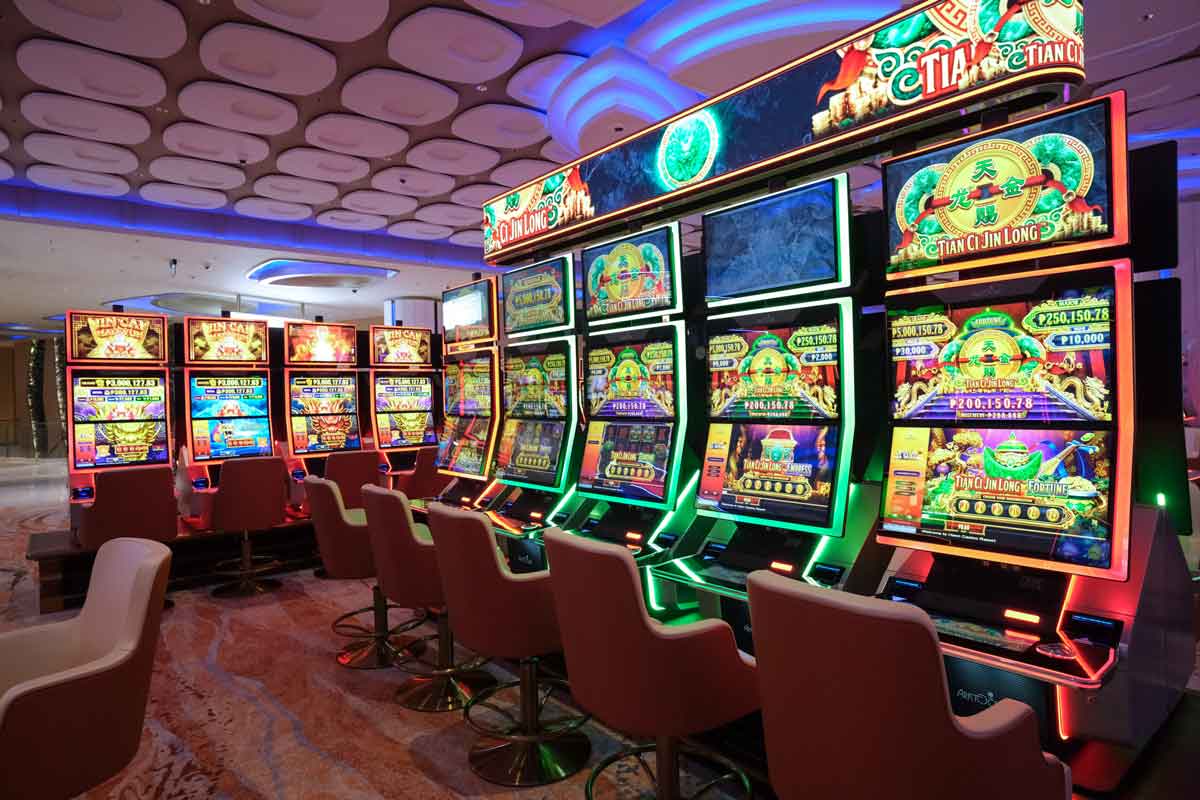

The threat that artificial intelligence poses to the market dominance of leading industry suppliers Aristocrat and Light & Wonder has been overstated in their current valuations, with investors failing to adequately price in the strength of their land-based EGM businesses, according to Morningstar.
In a Tuesday note, the financial services company also pointed out that although the digital businesses of Aristocrat and Light & Wonder were somewhat vulnerable to the widespread use of AI by competitors, their land-based presence remains much harder to crack.
The commentary from Morningstar analysts Angus Hewitt and Leo Wang follow a recent sell-off in shares of the two ASX-listed suppliers amid fears of disruption from AI – specifically that AI will lower the barrier to entry, produce new competitors and strengthen weaker incumbent competition.
This, state Hewitt and Wang in a detailed analysis, overlooks the raw strength of their land-based EGM businesses and the fact that these EGM businesses continue to dominate earnings for each.
“These businesses are powerful, with top market shares, deep customer relationships and growing installed bases,” they wrote.
“We think the AI threat for land-based gaming is limited, protected by licenses, regulatory relationships and a large installed base of leased machines. Proven franchises like Aristocrat’s Dragon Link and Light & Wonder’s Huff N’ Puff, proprietary math models and cabinet design form valuable intellectual property.
“Competition is limited, and the importance of owning intellectual property is no more embodied than the recent litigation settlement between Light & Wonder and Aristocrat [over the Dragon Train franchise].
“These land-based businesses are often overlooked. At times, both stocks trade near our valuation of their land-based gaming operations alone, offering appealing entry points for investors.”
 According to Morningstar, investors have failed to update their view of Aristocrat and Light & Wonder since the pandemic – a time when the companies’ iGaming and social casino arms surged amid a lack of entertainment options during lockdowns.
“As digital growth stories grabbed headlines, we think the market increasingly underappreciated the strength of the core EGM businesses where each firm is best positioned,” the analysts said.
“Aristocrat Leisure and Light & Wonder have the two largest gaming operations in North America; we estimate they account for more than 60% of the market for leased machines and typically about half of outright sales.
We estimate land-based gaming will still comprise about 65% of earnings for Aristocrat by the end of the decade, and about 60% for Light & Wonder.”
This is important, Hewitt and Wang continue, because “land-based gaming is not only the largest contributor to earnings, but also the most defensible.
“With dominant positions in traditional slot machines and casino systems, the earnings of Aristocrat and Light & Wonder are highly resilient. The firms’ extensive installed base and partnerships give them a pricing and distribution edge that new entrants or AI-driven competitors cannot easily overcome.
“While we anticipate that AI may accelerate game design and reduce development costs, it simply cannot displace the expertise, relationships and regulatory approvals required to deliver high-performing games.”
Importantly, Morningstar observes that the ongoing growth of online gaming channels, particularly in the United States, does not appear to be at the expense of land-based casino play, with the number of EGM locations in the US having increased from 16,489 in 2021 to 18,218 in 2026 despite iGaming deregulation.
And when it comes to AI, the sheer level of investment into the technology by Aristocrat and Light & Wonder provides an important economic moat moving forward.
Wrote Hewitt and Wang, “We expect larger players, which already have the math models, intellectual property, and regulatory and operator relationships, to be better positioned to leverage AI tools to generate more ideas and content, reinforcing a flywheel in which better execution, scale and customer expertise widen the gap with smaller competitors.”
Editor’s note: Inside Asian Gaming recently published a deep dive into how both suppliers and operators are currently deploying artificial intelligence across their operations.
RelatedPosts