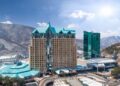
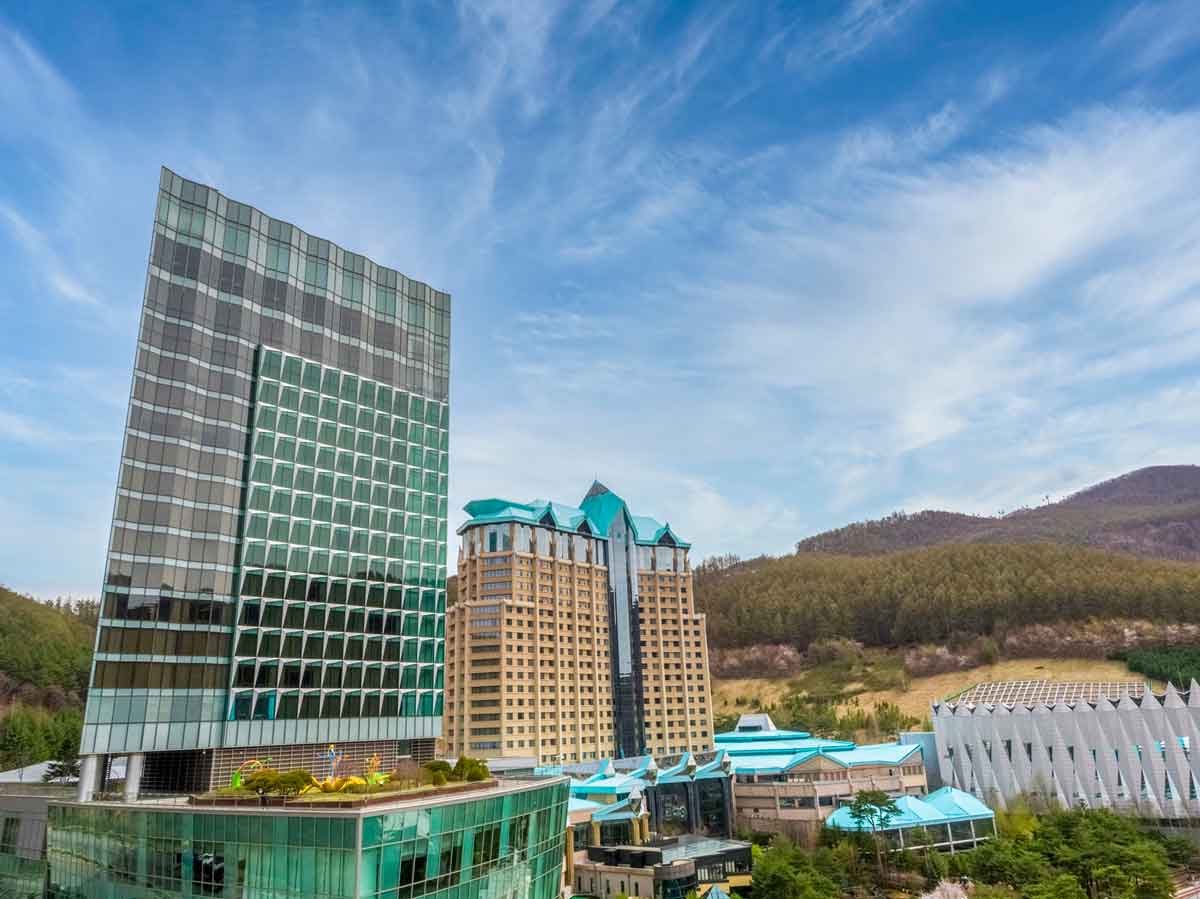

Korea’s Kangwon Land has reported a 4.2% year-on-year decline in revenue to KRW345.6 billion (US$243 million) in the three months to 30 June 2026, impacted by lower casino visitation and reduced hotel room revenue as a result of ongoing renovation works across the integrated resort.
According to information filed with the Korea Exchange, GGR during the quarter fell by 3.4% year-on-year to KRW349.1 billion (US$245 million). This included a 2.4% decline in mass gaming revenue to KRW281.8 billion (US$198 million) on the back of lower visitation and drop amount, and a 7.6% fall in VIP revenue to KRW67.4 billion (US$47.3 million) thanks to low hold. VIP visitation actually increased by 18.0% and drop amount by 7.2%.
As a result, net gaming revenue including comps plus casino F&B sales fell 3.5% to KRW319.9 billion (US$225 million).
In non-gaming, Kangwon Land saw a 12.3% year-on-year decline in revenue to KRW25.7 billion (US$18.0 million), explaining that the primary reason for this decline was a drop in hotel and condo room revenue caused by ongoing room renovations.
“Since March of this year, the company has been renovating a total of 757 aging rooms (477 rooms in the Grand Hotel Main Tower and 280 rooms in the Mountain Condo),” it stated. “Renovations are scheduled to be completed by 4Q27 for the condo and 1Q28 for the hotel.”
Despite the revenue decline, Kangwon Land reported a 59.8% increase in net profit to KRW100.3 billion (US$70.4 million) thanks to gains from financial assets. Operating profit margin was 12.5% with a net profit margin of 29.0%.
The company added, “We’ve allocated a total investment budget of KRW145.4 billion (US$102 million) for 2026 to drive continuous top-line growth and ensure our sustainable growth and so far, we’ve executed KRW87.2 billion (US$61.2 million).
“Ongoing projects include guestroom renovations, VIP floor remodeling and the second casino construction.”
As reported by Inside Asian Gaming, Kangwon Land is in the midst of a comprehensive expansion initiative, having outlined plans to invest a total of KRW3 trillion (US$1.9 billion) into transforming the wider High1 Resort area, including expanding its non-gaming facilities by revamping walking trails around the casino complex, building a wellness center and developing a luxury pool villa, among other amenities. It has outlined a goal of doubling the ratio of non-gaming revenue generated at the casino-resort annually from 20% to 40% by providing greater incentive for guests to increase length of stay.
RelatedPosts