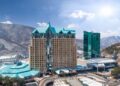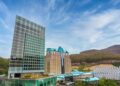


South Korea is considering increasing the cap on contributions to the Tourism Promotion and Development Fund by the country’s foreigner-only casinos from 10% of revenue currently to 15%.
Local business-focused media outlet Edaily reported on the plan this week, revealing that the Ministry of Culture, Sports and Tourism and the National Assembly view it as a means of adjusting the public burden in line with the industry’s growth. The increased fund contribution rate would be part of a broader casino system reform plan that includes a new license renewal process and a prior approval system for changes to major shareholders. This, the report claims, would aim to shift from the existing licensing system to one based on greater oversight and periodic reviews.
While the cap on fund contributions is envisaged to increase, the government is said to prefer maintaining the existing tiered structure under which only the highest-earning casinos pay the top rate. Edaily said specific calculation criteria will be determined during the process of amending the enforcement decree.
It also explained that fund contributions from Korea’s six highest-earning casinos – such as Paradise Co’s Paradise City and Walkerhill and Grand Korea Leisure’s Seven Luck properties – were expected to increase by between KRW30 billion and KRW50 billion (US$20 million to US$35 million) annually.
The amendment would not apply to Jeju, however, because the eight foreigner-only casinos located on the popular holiday island destination are governed separately under the Special Act on the Establishment of Jeju Special Self-Governing Province.
Edaily cited an official from the Ministry of Culture, Sports and Tourism as stating, “The casino business is essentially a licensed industry. As the industry has grown, it is necessary to adjust both license management and mechanisms for reinvestment in the tourism industry.
“These discussions are not about imposing regulations to pressure a specific sector, but rather about refining the system to enhance trust in the casino industry.”
The move has been opposed by industry lobby group the Korea Casino Tourism Association, which argues increasing the fund contribution would place further burden on operators at a time when they are trying to increase their regional competitiveness. The association has also called for incentives for operators that invest in non-gaming facilities like MICE space and performance venues.
Korea’s state-linked casino operators GKL and Kangwon Land only last month urged the government to ease administrative hurdles that typically delay key enhancement projects and called for the promotion of world-class integrated resorts that can enable the local industry to compete on the international stage.
The call was mainly related to concerns that the opening of Japan’s first integrated resort – the US$10 billion MGM Osaka – in 2030 will drive significant business away from Korea’s casinos.
RelatedPosts