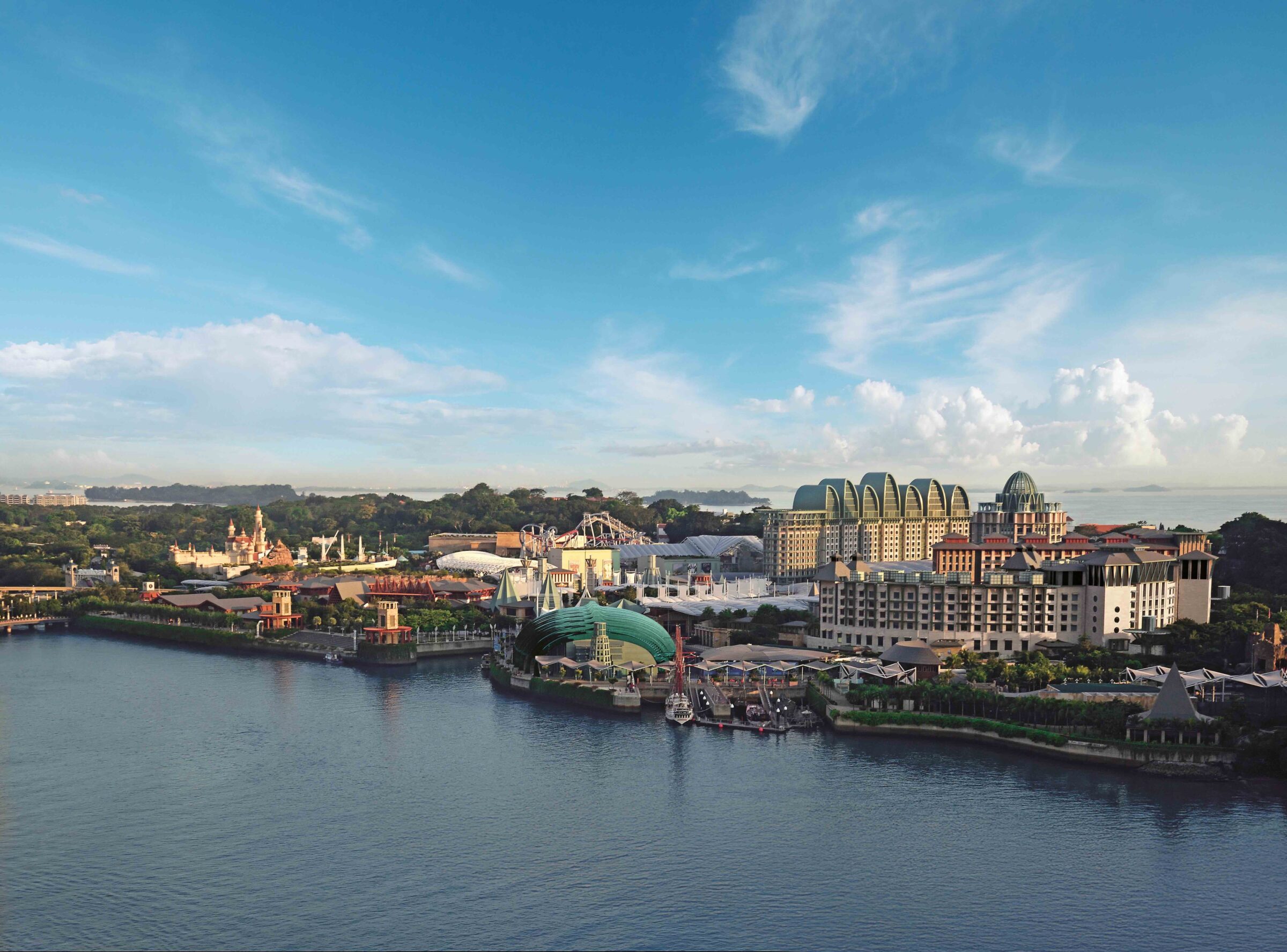

The management of Genting Singapore has named transformation of the casino at Resorts World Sentosa (RWS) as a priority but added comparisons with the recent gaming performance of Singapore rival Marina Bay Sands (MBS) fail to take into account the different priorities of the two integrated resorts.
The comments from Genting Singapore’s Executive Chairman and Acting CEO, Lim Kok Thay, were made in response to shareholder questions during the company’s 41st Annual General Meeting held last month – the minutes of which were made public on Friday.
RWS reported a 3% decline in revenue to SG$607.6 million (US$478 million) and a 24% drop in Adjusted EBITDA to SG$179.0 million (US$141 million) in 1Q26, while MBS saw net revenues rise 28% to US$1.49 billion and Adjusted EBITDA by 30.2% to US$788 million. The quarter included an all-time low in rolling chip market share at RWS of just 20%.
At the recent AGM, Lim said that as part of the ongoing US$5 billion RWS 2.0 transformation, attention is being devoted to the casino transformation, “particularly in terms of design, marketing and operations to address competitive gaps in the gaming segment.”
However, he added that RWS was never intended to focus on its gaming business to the same extent as MBS, instead following a government mandate to develop a “true integrated resort with a larger emphasis on non-gaming offerings, including theme parks and attractions, compared to MBS.”
MBS, being located in the central business district and with more direct access to business and convention travelers, was intended to provide a different experience, he explained.
Compared with Macau, where gaming a key focus of the business, Lim said the Singapore approach does not position gaming as the key focus and instead places tourism at the center of its integrated resort strategy.
He also suggested that the resort’s Sentosa location “presents inherent challenges and requires the company to spend significantly more effort and investment than if it were operating in a CBD location” but said some of those challenges were being progressively addressed through the RWS 2.0 development.
Unlike MBS, Lim explained that it was not feasible for all amenities at RWS to be fitted to “premium specifications.” Instead, the company was aiming to deliver a “holistic basis, a superior experience to families and to all segments of tourism through its integrated resort offerings.”
But he said management was “fully committed to the transformation” and that shareholders would by 2030 “see a totally different and much better IR, delivering an all-round experience for visitors and locals alike.”
The transformation was “not something that would happen overnight, but … progress was taking place gradually and continuously and shareholders would be able to see and hopefully feel the transition as it unfolded,” he stated.
RelatedPosts