

Sweeping reforms to Australia’s anti-money laundering and counterterrorism financing rules officially take effect today, imposing significantly tighter obligations on businesses deemed to be at risk – including casinos and the pubs and clubs sector – around customer due diligence (CDD) and compliance.
The new rules, first unveiled by the country’s AML watchdog AUSTRAC in 2024, are aimed at further reducing financial crime which is estimated to cost Australians AU$82 billion annually.
Core tenants of the expanded AML/CTF framework include strengthened requirement around risk assessments, with businesses expected to carry out such assessments before onboarding new customers and on an ongoing bases, as well as stricter CDD requirements for verifying customer identities and monitoring transactions.
The framework also places greater onus on senior staff and management to be aware of and take control of AML risks, requires the appointment of dedicated compliance officers, includes certain expectations around Suspicious Matter Reports, and details enhanced requirements for the handling by businesses of international transfers.
More than 100,000 businesses are covered including banks, pubs and clubs that offer poker machines, casinos, bookmakers, super funds, remittance providers, real estate agents, property developers, conveyancers, precious metal and jewel dealers, lawyers, accountants and company service providers.
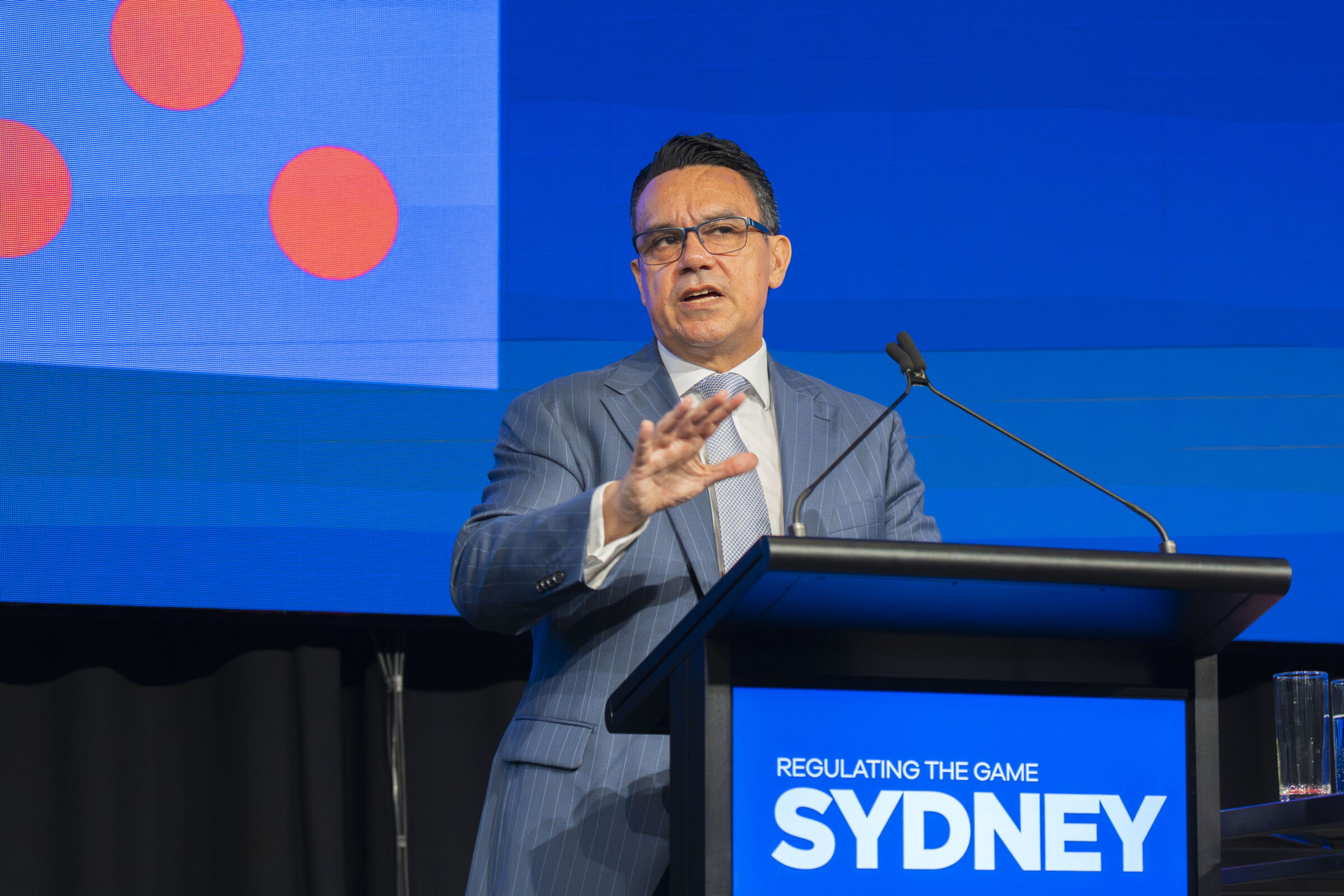
In a recent keynote address at the Regulating the Game conference in Sydney in March, AUSTRAC CEO Brendan Thomas said the new AML/CTF framework exists to stop criminals disguising the origin of illicit funds so they can use them as if they were legitimate.
“[The framework] protects your organizations, your staff and the broader community,” he said. “It requires gambling operators to identify and assess risk, verify customers and beneficial owners, monitor transactions, escalate concerns, report suspicious activity and apply enhanced due diligence where risk is high.
“These obligations are not administrative hurdles. They are the foundation of trust. Strong AML/CTF controls protect your license to operate and Australia’s reputation as a safe and well‑regulated place to do business.”
Thomas added that although many venues had improved their AML programs, there remained “a collection of one‑off failures” and “systemic weaknesses that criminals exploited repeatedly and often for long periods.
“One persistent risk involves high‑value and high‑frequency cash transactions,” he explained. “Across multiple venues, customers moved extraordinary volumes of cash – sometimes millions of dollars – through deposits and withdrawals. We saw cash brought into venues in unconventional and alarming ways. We saw bill stuffing – large cash deposits with minimal gameplay – used to convert illicit cash into seemingly legitimate winnings. These behaviors were visible, repeatable and highly indicative of laundering risk.
“Another recurring theme involved multiple accounts, third parties, and synthetic identities. Customers operated numerous accounts under different names. Third‑party deposits and withdrawals occurred frequently. This deliberate structuring made it difficult to identify who truly owned and controlled the funds – and that difficulty was the point.
“We also saw high‑risk customers with known criminal histories or adverse media continue to transact. Some were linked to serious organized crime. Some were under active investigation. Some already had assets restrained or confiscated. Yet warnings from law enforcement and regulators did not always result in decisive action.”
According to Thomas, checks have repeatedly found that operators did not conduct robust ML/TF risk assessments, failed to update their AML/CTF programs after regulatory findings or were guilty of weak implantation in cash‑intensive environments.
“Strong AML/CTF controls are not optional,” he continued in his keynote.
“As we approach the commencement of Australia’s reformed AML/CTF Act … AUSTRAC has been clear and measured in its expectations. We recognize the scale of change and the tight timeframe set by Parliament. Our regulatory posture during this transition is pragmatic and risk‑focused.
Preparation is expected. Perfection is not. We do not expect perfection on day one. But we do expect sustained effort, strong leadership and genuine progress in reducing money laundering risk. The core principles of identifying, mitigating, and managing risk remain unchanged.
“AUSTRAC will take a proportionate approach where businesses demonstrate genuine effort. But where risks remain unmanaged, regulatory action will follow.”
RelatedPosts