
Japan’s Sega Sammy Holdings should focus on future growth by leveraging its extensive Intellectual Property and put a permanent hold on large-scale M&A activity after “destroy[ing] “enormous value through poor execution and undisciplined acquisitions”, according to investment insights platform Smartkarma.
In a detailed analysis published this week, Smartkarma described the company’s problems – including materially lower operating margins and a falling share price – as “mostly self-inflicted” due to a bloated cost structure and weak execution. Specifically, it pointed to impairment losses from the two major companies it has acquired in recent years – Rovio and Stakelogic – which have failed to perform at the level Sega Sammy anticipated.
As reported by Inside Asian Gaming, Rovio, a developer of video games, saw its profitability plummet post-acquisition, resulting in Sega Sammy declaring a JPY31.3 billion (US$197 million) impairment, while an additional JPY15 billion (US$94 million) impairment is expected for iGaming content developer Stakelogic, acquired in 2024.
Sega Sammy stated in its most recent results announcement that it would “suspend large-scale M&A for the time being.”
According to Smartkarma, Sega Sammy exacerbated its M&A induced issues by diverting cash generated by its regulated pachinko business to subsidize low‑return, cash‑burning segments instead of being reinvested into higher‑return IP monetization.
“Management pursued an aggressive, debt‑funded M&A strategy to manufacture a third growth driver from mobile and B2B casino gaming rather than fixing the core business,” it stated. “This culminated in a JPY31.3 billion impairment on Rovio, destroying roughly 30% of the original investment in under two years and exposing failures in due diligence and valuation discipline.”
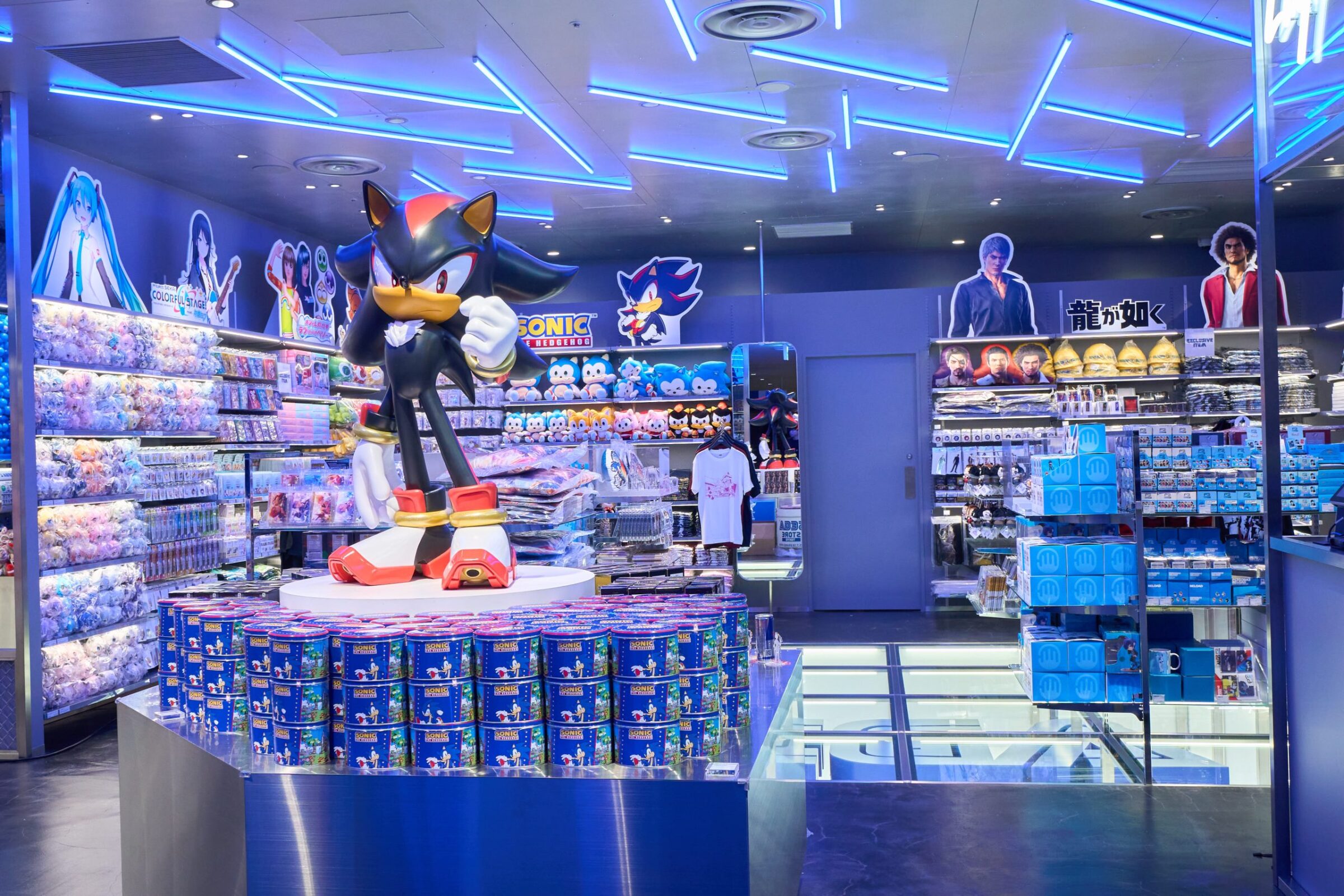
Smartkarma added that Sega Sammy must use its considerable IP might – headlined by the iconic Sonic the Hedgehog character – to rebuild value across the business, pointing to other multi-sector gaming and video gaming firms like Konami as an example.
“Sega Sammy needs to fix execution in its highest‑quality asset: its IP library,” Smartkarma said. “Sega Sammy operates with materially lower margins than peers due to bloated SG&A, inefficient development pipelines and weak cost leverage. Compared to peers, Sega Sammy’s IP development is less standardized and focusses too much on new franchises which are riskier and costlier than sequels and proven IP.
“In our view, the company needs to permanently suspend large-scale M&A, deleverage and prioritize shareholder returns; focus on improving execution of its IP library to bring operating margins into line with peers; expand its high-margin transmedia licensing business; and treat its Pachislot/Pachinko business as a cash generator, not a growth driver.
“It would not benefit, in our view, from discontinuing is gaming business.”
Aside from its pachinko and pachislot arm, Sega Sammy develops electronic gaming machines and content via subsidiary Sega Sammy Creeation. It also holds a 45% stake in Paradise City, a large-scale integrated resort located in Incheon, South Korea – a partnership with Korea’s Paradise Co.
RelatedPosts