
Silver Heritage Group has reported reduced gaming revenues of US$32.1 million in 2016, down from US$45.4 million 12 months earlier, as well as lower than forecast EBITDA – capping a torrid period for the regional casino operator.
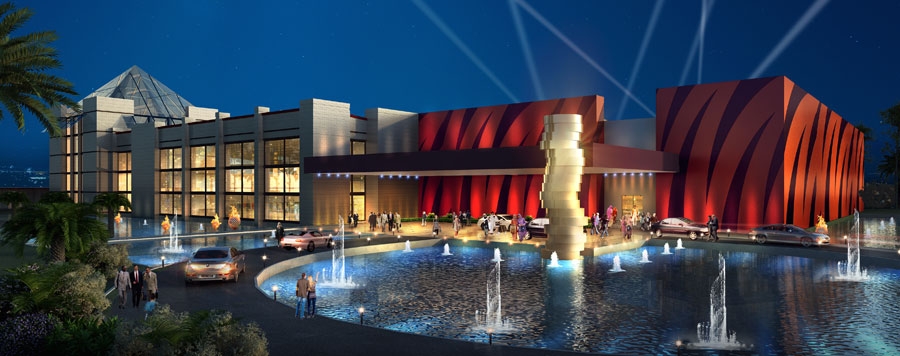
In its first annual report since listing on the Australian Stock Exchange in August, Silver Heritage described the results as “unacceptable and unsustainable” with funding and construction delays on its frontier Tiger Palace Resort Bhairahawa to blame.
Originally estimated at US$40 million to build, the company raised US$19 million towards Tiger Palace through its IPO and another US$20 million through interest bearing senior secured bonds but have since seen construction costs skyrocket. The total cost of construction is now estimated at US$53.8 million.
Nevertheless, the Group describes the successful completion of Tiger Palace as being critical to its results and success and is currently looking to raise the further capital needed, with a revised completion date of November 2017 and a soft opening of its hospitality areas in August. At present, it says 90% of infrastructure, 80% of hospitality areas and 60% of casino facilities have been completed.
“Once opened, the Group believes it will be able to secure first or early move advantage in providing casino gaming which is principally aimed at meeting demand for gaming from Indian customers located in close proximity to the India-Nepal border,” the Group said.
Tiger Palace aside, Silver Heritage has pointed to further unforeseen challenges as its two operational properties – Phoenix International Club in Vietnam and The Millionaire’s Club in Nepal – as impacting its revenues. They included lower hold and the decision by Indian authorities to replace all INR500 and INR1,000 notes with new INR500 and INR2,000 notes, which impacted its “core customer base.” The Group’s adjusted EBITDA of US$3.4 million fell well short of the projected US$4.49 million
RelatedPosts