
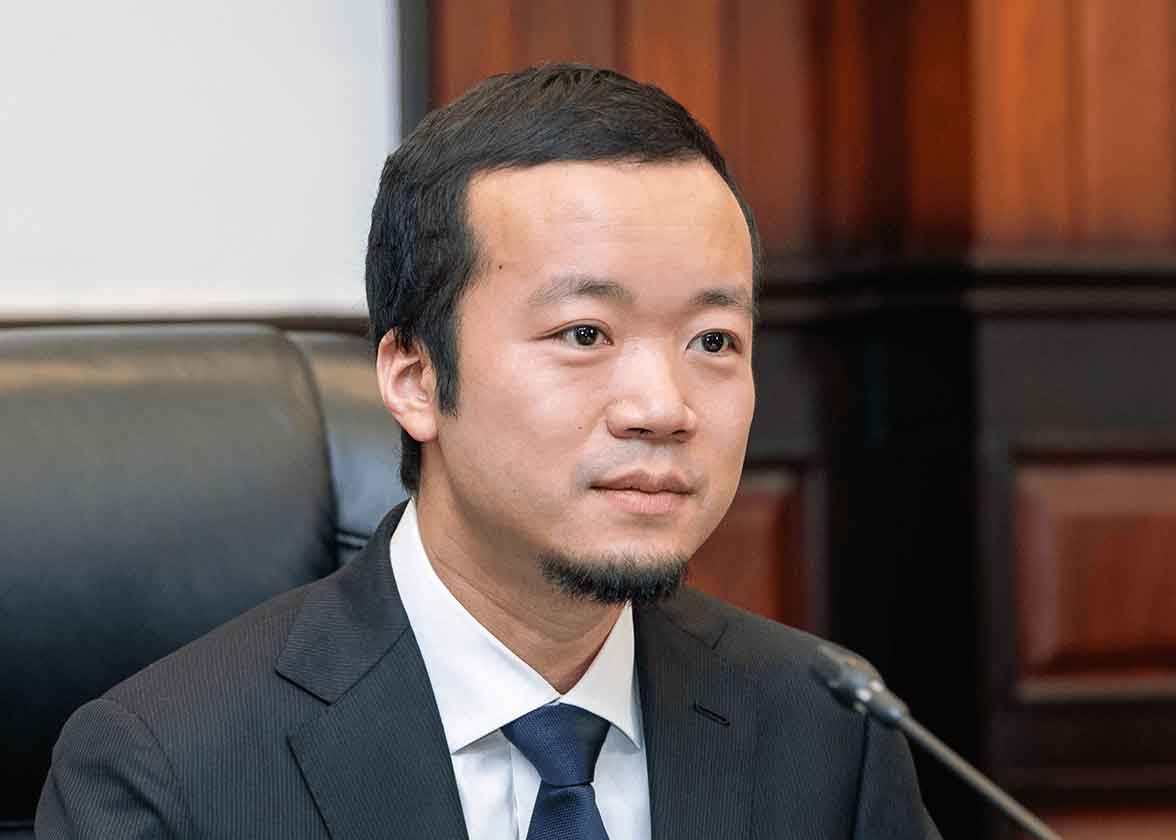

New charges against Prince Group founder Chen Zhi could see the alleged scam operation organizer face the death penalty.
According to Chinese media outlet Caixin, prosecutors have added an additional charge of intentional injury, which carries a punishment of at least 10 years in prison or death.
In January, Cambodia’s interior ministry indicated that Chen Zhi had been apprehended and extradited to China, the result of a joint operation with Chinese authorities conducted “within the scope of cooperation in combating transnational crime.”
The 38-year-old has been accused of running numerous scam hubs in Cambodia and allegedly running an extensive online gambling network.
Chinese authorities have included the intentional injury charge alongside a copyright infringement charge, while dropping a count of concealing criminal proceedings.
While facing charges in China, Chen Zhi was also charged by the US Department of Justice last year for wire fraud conspiracy and money laundering conspiracy, with the US authorities filing a civil forfeiture complaint against 127,271 seized Bitcoin – worth about US$15 billion at the time (US$8 billion today) – a key point of contention over respective damages to be paid out from the seizure.
US authorities are not relinquishing the pursuit either. In a 23 June 2026 statement, the US Department of State indicated it was further “sanctioning nine individuals and 26 entities linked to the Cambodia-based Prince Group Transnational Criminal Organization (TCO) and its leadership.” The authority noted that “Prince Group TCO members own and profit from scam compounds that target victims in the United States and around the world.”
The illegal online gambling links relate to the Jinbei Group, whose founder Liu Ren was extradited to China from Cambodia last month. He has been accused of running numerous online gambling platforms directed at Chinese citizens.
In June, authorities in Japan also arrested a suspected top executive of Prince Group, Hu Shi – a Cypriot national who they understand to be part of the US-sanctioned Prince Group-linked individuals. Hu in April told Reuters that he was not the leader of Prince Group.
The Prince Group sanctions dovetail with those of the Huione Group, also sanctioned by US authorities in June, with the latter said to have acted as the avenue to launder the group’s illicit funds, resulting in sanctions by the US, South Korea, the UK and other jurisdictions.
But the new charge laid against Chen Zhi could realistically result in execution. In January, China announced that it had executed 11 people tied to the Ming family criminal group, operating scam centers in Myanmar. The charges laid against them included intentional injury, intentional homicide, unlawful detention, fraud and casino establishment, according to state media.
China’s move to establish an international alliance against cyber fraud, launching in September, also demonstrate the nation’s move to wipe out scam operations worldwide. This comes as a recent UN report not only claims such scams target Chinese nationals but, in Southeast Asia, are also largely masterminded by such.
As in January, an execution sentence would send a strong deterrent signal to such operations. Whether it’s heeded remains to be seen.
RelatedPosts