
Differences in macroeconomic conditions and sensitivity to fuel prices will see Macau lead regional gaming growth over the next 12 to 18 months, with Southeast Asian operators more likely to be impacted by the ongoing conflict in the Middle East, according to Moody’s Ratings.
In a recent note, Moody’s analysts observed that Macau is better positioned to ride out such regional headwinds because its core mainland Chinese visitor base will favor short-haul travel for as long as uncertainty over fuel prices make long-haul trips relatively more expensive.
In contrast, this fuel-price uncertainty and resulting higher travel-related costs are likely to weigh on operators in Southeast Asia because of their higher exposure to air arrivals for inbound tourism.
Moody’s projects Macau’s gross gaming revenue, which grew by 6.8% year-on-year in the first six months of 2026, to slow only slightly in the second half of the year – bringing FY26 GGR to around 6% year-on-year growth versus 9% in 2025.
This will be supported by the city’s large-scale entertainment offerings such as residency shows, concerts and major sporting events that will continue to support visitation and spending, alongside new hotel openings.
Conversely, Moody’s said gaming operators across Southeast Asia are more exposed to the uncertainty over fuel prices and the resulting relationship to travel costs than their Macau counterparts, adding “we now expect only low single-digit GGR growth over 2026-27.”
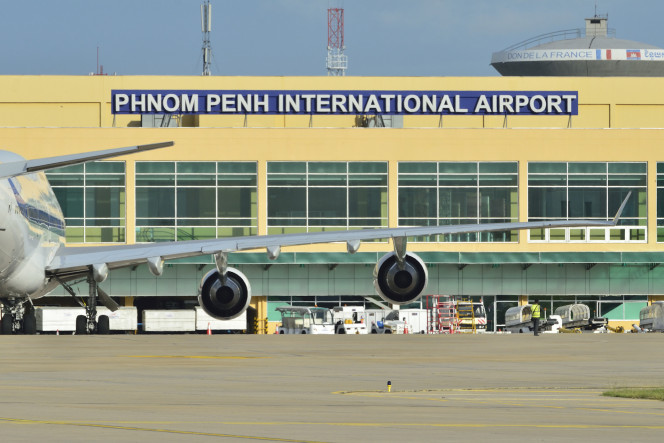
Both Singapore and Malaysia could feel some impact from high fuel prices because they draw visitors from a more geographically dispersed base and higher airfares could weigh on tourism spending. Likewise, Cambodia – home to NagaWorld in Phnom Penh – maintains some exposure to international travel while also facing broader macroeconomic uncertainty from the country’s ongoing spat with neighboring Thailand.
“Despite the recent pullback, oil prices and related travel costs remain above the historical levels of the past two to three years,” Moody’s said.
“Any benefit from lowering of oil prices is likely to transmit only gradually to travel demand and airfares because of booking lead times and airlines’ cautious pricing stance following earlier volatility in global energy markets.”
Despite concerns, the ratings agency maintains that the impact on Southeast Asian operators won’t be catastrophic. Cambodia’s NagaWorld, it observed, has demonstrated ongoing resilience in recent times with no obvious impact on GGR from the Thailand political issue.
Likewise, domestic visitors account for a large share of revenue at Genting’s Malaysian flagship, Resorts World Genting, as such “this customer mix limits exposure to declines in international arrivals linked to higher travel costs.”
On Genting’s resorts World Sentosa in Singapore, Moody’s added “New attractions introduced at Resorts World Sentosa since 2025 will support growth in nongaming revenue and partly offset weaker gaming performance, where it has continued to lose market share to Las Vegas Sands’ Marina Bay Sands in recent years, reflecting intensifying competition.”